Lawn Fertilization in Hartwell, GA: How Fertilization Impacts Lawn Health During Hot Georgia Summers
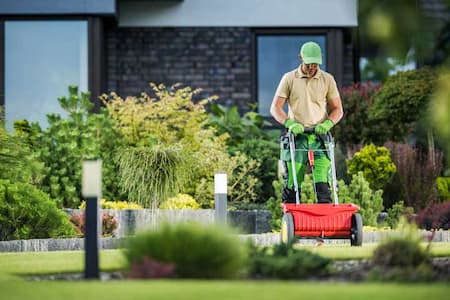
Hot Georgia summers test every blade of grass. Sun, heat, and spotty rain push turf into stress mode. The right plan for lawn fertilization in Hartwell, GA keeps color strong and roots ready, without risking burn or surge growth that fizzles out. If your yard needs a proven path, our lawn fertilization program is built for Northeast Georgia conditions.
What Summer Heat Does To Georgia Lawns
When temperatures climb, lawns burn through stored energy and moisture faster. Shallow roots, compacted clay, and full-sun areas around driveways or sidewalks show stress first with faded color and wilted blades.
Heat also speeds nutrient use. Nitrogen that looks great in spring can push tender growth in July that wilts by afternoon. Potassium becomes more important because it helps turf manage water and stand up to stress.
The Right Fertilization Schedule For Hartwell, GA
Most Hartwell lawns feature warm-season grasses like bermuda and zoysia. A smart schedule focuses on steady performance from late spring through early fall, with lighter summer feedings adjusted to weather and soil conditions. Timing can vary by grass type, shade, traffic, and rainfall.
- Early growing season: build a healthy base that supports dense turf before the hottest stretch.
- Peak summer: lighter, slow-release nutrition that maintains color without forcing soft growth.
- Late summer into early fall: balance the lawn and help roots recover from heat and foot traffic.
Over-fertilizing in peak heat can scorch turf and waste product. A measured plan that watches soil temps and recent rainfall delivers better color and fewer problems.
Choosing Summer Fertilizer Blends That Work Here
In summer, quick-release nitrogen can be risky. Slow-release sources feed predictably, so turf stays even and less prone to burn. Many Hartwell lawns benefit from a bump in potassium for stress tolerance. Micronutrients such as iron can deepen color without pushing growth when the weather is hottest.
Clay soils common in Northeast Georgia hold nutrients well but compact easily. That is one reason professionals often pair nutrition with services that improve movement of air and water through the soil.
How Fertilization, Water, And Mowing Work Together
Fertilizer works best when the rest of the program supports it. Irrigation routines, mowing height, and traffic patterns all influence how nutrients perform. Our team sets a plan that keeps clipping weight steady and reduces shock during heat streaks.
Compaction is a hidden summer killer. Opening the soil improves nutrient uptake and helps roots chase moisture. To support this, many properties add seasonal core aeration so the fertilizer you buy actually reaches the root zone.
Local insight: Areas near hardscapes and streets in Hartwell heat up fastest. During a heat wave, shaded zones stay greener while sunny edges fade. A split-feeding plan across zones protects those hotspots and keeps the whole lawn more even.
Avoiding Over-Fertilizing In Heat
Too much nitrogen in July or August can streak or burn the lawn, especially on slopes and along sidewalks where soil dries first. It can also create lush, tender growth that needs more water than the weather provides.
- Watch for pale strips, brittle tips, or quick fade after mowing. These are red flags that the lawn is stressed.
- If extreme heat lingers, it is safer to delay the next feeding than to push growth your soil cannot support.
Our summer program uses dose control and product selection that fit real field conditions, not just a calendar. Less is often more when the thermometer spikes.
Drought Stress Strategies For Northeast Georgia Lawns
From downtown Hartwell to neighborhoods around Lake Hartwell, summer brings bright afternoons and scattered storms. Red clay holds water after a heavy rain yet hardens between showers. Turf thrives when nutrition and soil structure help roots stretch deeper to more stable moisture.
We track rainfall and soil response before each visit. If the lawn is already under stress, we pivot to blends that support recovery and hold off on anything that would force soft growth.
When To Pause Or Pivot Fertilization
There are weeks in Georgia when the smartest move is patience. If soil is hot and dry for several days, we reduce or delay nitrogen, emphasize potassium, and focus on protecting the crown and roots. After conditions improve, the schedule resumes so color and density recover without shock.
This approach prevents the mid-summer rollercoaster many lawns experience. It also helps keep weeds from taking advantage of thin, overworked turf.
Why Homeowners Choose Georgia Turf Pro For Summer Lawn Care
Our local program is designed for Hartwell’s heat, clay soils, and mixed sun patterns. We tailor visits to grass type, shade, and traffic. That includes product choice, timing, and application methods that protect the lawn during hot spells and keep color steady through late summer.
Every step is about long-term turf health. We monitor conditions, adjust between visits, and keep notes so your lawn gets consistent care. When you are ready to strengthen your summer results, our summer fertilization service is ready to help.
Plan Your Next Step For A Healthier Summer Lawn
If you are comparing options for lawn fertilization in Hartwell, GA, choose a partner that treats heat as a science, not a guess. Georgia Turf Pro is here to help you grow dense, resilient turf that stays presentable even when the forecast gets tough.
Call 706.376.2400 to talk with a local specialist today, or book online to reserve your spot. For a program built for Georgia summers, start here: lawn fertilization.

Expert Lawn Care ServicesFor Perfect Georgia Lawns

Ready for a Weed-Free Lawn? Contact Our Local Lawn Care Experts Today for a Free Consultation!