How Often Should You Water Your Lawn in Georgia Heat?
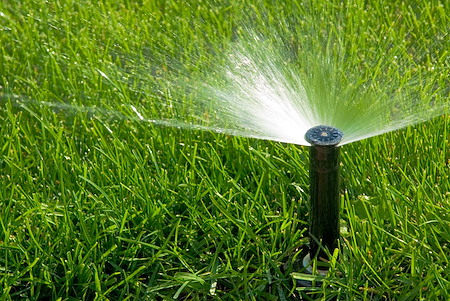
Hot, humid summers in Northeast Georgia test every blade of grass. If you have ever wondered how often to water your lawn in Georgia, the short answer is that most turf needs about an inch of water per week in peak heat, delivered in deeper, less frequent cycles. The longer answer depends on grass type, soil, and sun. Here is a homeowner-friendly guide built for Hartwell, with clear takeaways and support from our local lawn maintenance team at Georgia Turf Pro.
What “Enough Water” Means for Georgia Lawns
Water demand rises as temperatures climb and winds pick up. In the Hartwell area, summer patterns often include quick afternoon storms that do not always soak the root zone. Healthy lawns stay green because roots reach moisture stored several inches down. That is why deep watering wins. It supports steady color, cooler canopies, and stronger roots that can handle August heat.
- Bermuda and Zoysia typically stay healthy with about 1 inch of water each week in summer.
- Tall Fescue tolerates heat less and often needs 1 to 1.5 inches weekly to avoid stress in sunny spots.
- Clay-heavy soils common around Hart County slow infiltration, so water must be applied in cycles to prevent runoff.
Morning is the best time to run irrigation because leaf surfaces dry as the sun rises. Late-evening schedules can trap moisture against leaves overnight, which encourages disease during steamy Georgia nights.
How Often To Water Your Lawn In Georgia Heat
Think in terms of weekly totals, not daily sprinkles. In a typical Hartwell summer, many lawns thrive with two or three deeper sessions each week that add up to the right total for your turf. The exact frequency is guided by grass type, shade, slope, and recent rainfall. Your lawn should spring back quickly after light foot traffic and keep an even color between waterings.
Warm-season grasses like Bermuda and Zoysia prefer fewer, deeper cycles that soak the root zone. Shadier or mixed yards with Tall Fescue may need shorter intervals in peak heat to prevent wilting. When storms pass through, skip the next session if the soil profile is already wet. That simple habit protects roots and saves water all season.
Deep Watering vs. Frequent Watering
Frequent, shallow watering keeps roots near the surface where soil dries first. That creates a lawn that fades fast when temperatures spike. Deep watering trains roots to explore lower, cooler soil. It also helps your grass outcompete weeds by thickening the canopy and reducing open space.
- Deep watering builds resilience. Roots grow deeper, turf stays cooler, and color holds longer between cycles.
- Shallow watering wastes water. Much of it evaporates or runs off, and the lawn shows stress sooner.
On Georgia red clay, the best results come from splitting a run time into two or more shorter passes so water can soak in before the next pass begins. Pros call that cycle-and-soak. It fits our soils and summer heat patterns well.
What Changes the Schedule Around Hartwell, GA
Microclimates around Lake Hartwell and in-town streets can shift timing by days. Open, sunny driveways heat earlier than shaded coves near the water. South-facing slopes and stone borders hold warmth and dry out faster. That is why two lawns on the same street sometimes need different watering intervals even in the same week.
Local tip: Night watering during muggy Georgia weather can invite turf diseases. Early morning cycles help blades dry quickly and keep fungus pressure lower, especially on Tall Fescue in shaded sections.
If you recently aerated or overseeded, watering needs can change for a short window. Dense, well-fed turf holds moisture better than thin lawns, which means a well-timed nutrition plan supports smarter watering. Explore how a balanced program complements irrigation with our overview of lawn fertilization.
How Pros Set Watering In Georgia Summers
Great irrigation is a blend of science and timing. Technicians observe turf response, sun paths, and runoff points, then adjust zone by zone. Sprays and rotors apply water at different rates, so matching run times to head type keeps distribution even. Our team looks at soil conditions and canopy density, then builds a schedule that supports strong roots without wasting a drop.
In hot spells, the goal is not constant moisture. It is consistent access to water where roots actually live. That means resisting the urge to water every day unless a specific zone proves it needs shorter intervals. When rains are generous, we reduce or pause cycles to protect the lawn from soft, disease-prone conditions.
How To Recognize Underwatering And Overwatering
Most watering mistakes show up first as color shifts or texture changes. Catching these signals early helps protect the lawn through August heat.
- Likely underwatered: footprints linger, blades curl or fold, color turns dull gray-green by late afternoon.
- Likely overwatered: spongey soil, frequent mushrooms, algae near sidewalks, and more weeds in thin areas.
When we see these signs in Hartwell neighborhoods, we adjust schedules and application rates so water reaches the root zone without pooling or evaporating away.
Water-Smart Care That Also Fights Weeds
Healthy, evenly watered turf shades the soil and leaves fewer openings for invaders. If certain patches keep drying out and thinning, weed pressure will follow. For a deeper look at the problem plants that thrive when lawns are stressed, skim our post on common lawn weeds in northeast georgia. Watering is not a weed control product, but good hydration creates the dense canopy that makes weed breakthroughs less likely.
Timing across the whole year matters too. Pre-emergent barriers in late winter protect thin turf during spring green-up so deep watering can do its best work later. See why that early step pays off in our article on why february is a critical month for weed control in georgia.
Saving Water Without Sacrificing Color
Conserving water starts with even coverage, correct head-to-head spacing, and schedules that match your soil. We focus on three levers: depth, frequency, and timing. By pushing water deeper and pausing for rainfall, we often cut total gallons while improving turf quality.
Our team also watches for overspray onto pavement and hard edges that heat up early in the day. Tightening coverage keeps more water in the root zone and off sidewalks where it simply runs to the curb. That means lower water use and fewer hot, stressed edges that invite crabgrass later in the season.
What You Can Expect From Georgia Turf Pro
With Hartwell summers, it is normal for schedules to shift a bit between June and August. Georgia Turf Pro designs water-smart plans that adapt to changing weather, microclimates near Lake Hartwell, and unique lawn mixes that blend Bermuda, Zoysia, and Tall Fescue. We pair monitoring with scheduled lawn maintenance so mowing height, nutrition, and watering work together rather than against each other.
If you are trying to understand how often to water your lawn in georgia and want consistent results, our local team fine-tunes the plan zone by zone and season by season. That steady approach protects roots, color, and curb appeal while trimming water waste.
Ready For A Cooler, Greener Lawn In Hartwell?
Georgia heat is tough, but the right schedule makes it manageable. Let Georgia Turf Pro set up a deep-watering plan that supports strong roots, steady color, and better weed resistance. If you want a single partner to manage mowing, nutrition, and irrigation timing together, fold it into regular professional lawn maintenance visits and enjoy a simpler path to a lawn you love.
Have questions about your yard in Hartwell or around Lake Hartwell? Call us at 706.376.2400 to talk with a local specialist who knows our soils, summers, and neighborhood microclimates.

Expert Lawn Care ServicesFor Perfect Georgia Lawns

Ready for a Weed-Free Lawn? Contact Our Local Lawn Care Experts Today for a Free Consultation!